Role of Technology in Air Ambulance Services
Modern air ambulance operations rely heavily on advanced technology to ensure faster response times, safer patient transfers, and improved clinical outcomes.

Role of technology in Air Ambulance
In the world of emergency medical services, every second counts. When lives are on the line, swift and efficient care is paramount. One critical aspect of this care is the role of technology in air ambulance operations. Over the years, advancements in technology have revolutionized the way air ambulance services operate, enhancing patient care, safety, and overall efficiency. In this blog post, we’ll take a closer look at the pivotal role technology plays in these life-saving operations.
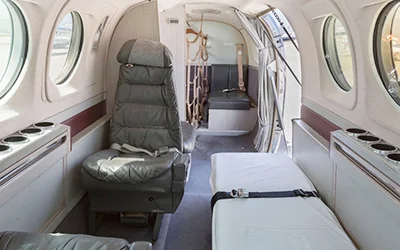
Real-time Communication and Coordination
Effective communication is the backbone of air ambulance operations. Modern technology has
significantly improved communication both within the aircraft and between the aircraft and
ground-based teams. Here’s how technology is making a difference:
Satellite Communication:Air ambulances rely on satellite communication systems,
allowing for uninterrupted connectivity even in remote or challenging terrain. This ensures that
medical teams can communicate with receiving hospitals, control centers, and experts in real
time.
Telemedicine:
Telemedicine solutions enable medical professionals on board to consult with specialists at the
receiving hospital, making critical decisions and providing advanced care before the patient
even arrives. This real-time collaboration saves precious minutes and improves patient outcomes.
Advanced Medical Equipment
Equipping air ambulances with cutting-edge medical technology is vital for patient care
during transit. The technology onboard ensures that patients receive the highest level of
care possible:
Advanced Monitoring: Patients are continuously monitored with
state-of-the-art equipment. This includes EKG machines, ventilators, and vital signs
monitors, all of which provide real-time data to the medical team.
Medical Records and Data Management:
Electronic health records (EHRs) are now standard on air ambulances, allowing for seamless
data transfer between the pre-hospital and hospital settings. This enhances patient care and
ensures that critical information is readily available to the receiving medical team.
Navigation and Safety Systems
Safe navigation is paramount for air ambulance crews, especially during adverse weather
conditions or challenging terrain:
GPS and Navigation Tools: GPS navigation systems help pilots precisely
locate their position and follow predetermined flight paths. These systems are essential for
safe and efficient travel, especially during medical emergencies where time is critical.
Terrain Awareness and Warning Systems (TAWS):
TAWS technology provides real-time alerts to pilots about potential obstacles, including
terrain and obstacles in their flight path. This reduces the risk of accidents during
difficult weather conditions.
Aircraft Design and Safety
Advancements in aircraft design and safety technology have significantly improved the overall safety of air ambulance operations:
Crash-resistant Fuel Systems: Modern air ambulance helicopters and
fixed-wing aircraft are
equipped with crash-resistant fuel systems, reducing the risk of post-crash fires and
improving
crew and patient safety.
Noise Reduction: Noise reduction technology not only improves the comfort
of patients and
medical personnel but also reduces the risk of hearing damage for long-term crew members.
Conclusion
Technology has become an indispensable ally in the world of air ambulance operations. From real-time communication and advanced medical equipment to navigation and safety systems, it plays a pivotal role in ensuring that critically ill or injured patients receive the care they need, when they need it the most. As technology continues to advance, we can expect even greater improvements in patient outcomes and the overall efficiency of air ambulance services, reaffirming their vital role in emergency healthcare.
Send Us a Message
Our Global Offices
UAE Office
+971 585 787878Office No. 18, 2nd Floor, UAE Enterprise Building, Airport Road, Al-Garhoud, Dubai, UAE
India Office
+91 96999 99065G-30, Dheeraj Heritage, S. V. Road, Santacruz West, Mumbai, Maharashtra 400054
Singapore Office
3 Mount Elizabeth, Mount Elizabeth Medical Centre, #15-05 Singapore 228510
Kenya Office
Office no. 06 Basement, 3rd Parklands, Diamond Plaza, Nairobi, Kenya
Canada Office
7180 Transmark Court, Mississauga, Ontario L5S 1Z5, Canada
Turkey Office
Aydinli mah. Patkayici Maddeler Yolu Cad. 7/B, Block no. 16, Palmiye Park- Tuzla/Istanbul Turkey